Tips to Select a Medical Billing Software in 2023

Maintaining practice sustainability can be challenging in an industry like healthcare, where regulations and policies change regularly. Take the impending Medicare physician pay cut, for example—that’s billions of dollars in potential revenue that practices across the country could lose.
With financial woes hounding healthcare practices, you must take steps to maximize your earnings. There’s no better way to do that than by optimizing your billing and revenue cycle management (RCM) workflows with medical billing software.
What is Medical Billing Software?

Compared to many EHR systems with integrated billing features, a dedicated medical billing platform is purpose-built to support all billing and RCM-related processes within your practice. It streamlines your billing processes, improves patient and staff experience, and helps you generate and maximize revenue.
A sophisticated medical billing platform goes beyond submitting claims and should cover all bases, from
appointment scheduling to eligibility verification and all other stages of your medical billing workflow.
However, with many options available in the market today, finding the right software for your practice can take time and effort. Luckily, like most technology solutions, you can see a medical platform’s potential by closely examining its features and how well they address the needs of the time.
Top 2023 Medical Billing Software Features to Consider

Considering the dynamic nature of the healthcare landscape, you need to look for a billing platform that stays ahead of industry needs. Here are five non-negotiable features you should look for in a medical billing platform in 2023:
1. Electronic Claims Submission
While claims submission is a standard feature for all medical billing software, not all platforms support electronic claims submission. At a time when everything is going digital, manual and paper-based claims are quickly becoming obsolete. On top of it being inefficient, it’s also time-consuming and error-prone. So make sure that the software you choose supports electronic claims.
2. Credit Card Payment Processing
One of the quickest ways to make patients happy is to give them flexibility and convenient options. After the pandemic spurred an increase in digital healthcare payments, the need for more convenient payment options is greater now than ever. Credit card payment processing should be a non-negotiable billing software feature in 2023 and beyond.
3. Patient Invoicing
Patient statements are one of the most overlooked parts of any practice's billing process. Unfortunately, many practices across the country still use paper invoices and send them via mail, making payment collection slow, inefficient, and confusing to patients.
Based on the latest data, at least
70% of patients are confused with their medical bills, and
87% have received surprise medical charges. Digitizing your patient statements and sending them via email will reduce, if not eliminate, all these inefficiencies.
Read More:
What is the No Surprises Act & How Does It Affect My Practice?
4. Appointment Scheduling & Reminders
While many might think that appointment scheduling is solely a front-desk administrative process, it's still directly tied to medical billing. After all, the patient journey starts as soon as the patient schedules an appointment. With scheduling and billing intertwined, any inefficiencies in one aspect will negatively impact the other.
A medical billing software worth its salt in 2023 should have a built-in intelligent scheduler with automated appointment reminders to streamline your entire scheduling process.
Read More:
5 Ways to Optimize Your Patient Scheduling in 2022
5. Eligibility Verification
One of the most common reasons for claims rejection is eligibility-related issues. It may seem minor and preventable, but these errors always slip through with manual workflows. As a crucial part of claims processing, your medical billing software should have features that streamline, simplify, and accelerate insurance eligibility verification.
Read More:
What Makes a Good Health Insurance Verification Software?
The Best Web-Based Medical Billing Software

With the highly digitized healthcare landscape, relying on traditional and manual processes will get you left behind. Similarly, it's no longer enough to have any run-of-the-mill billing software. It would be best if you had a solution that stays ahead of industry demands.
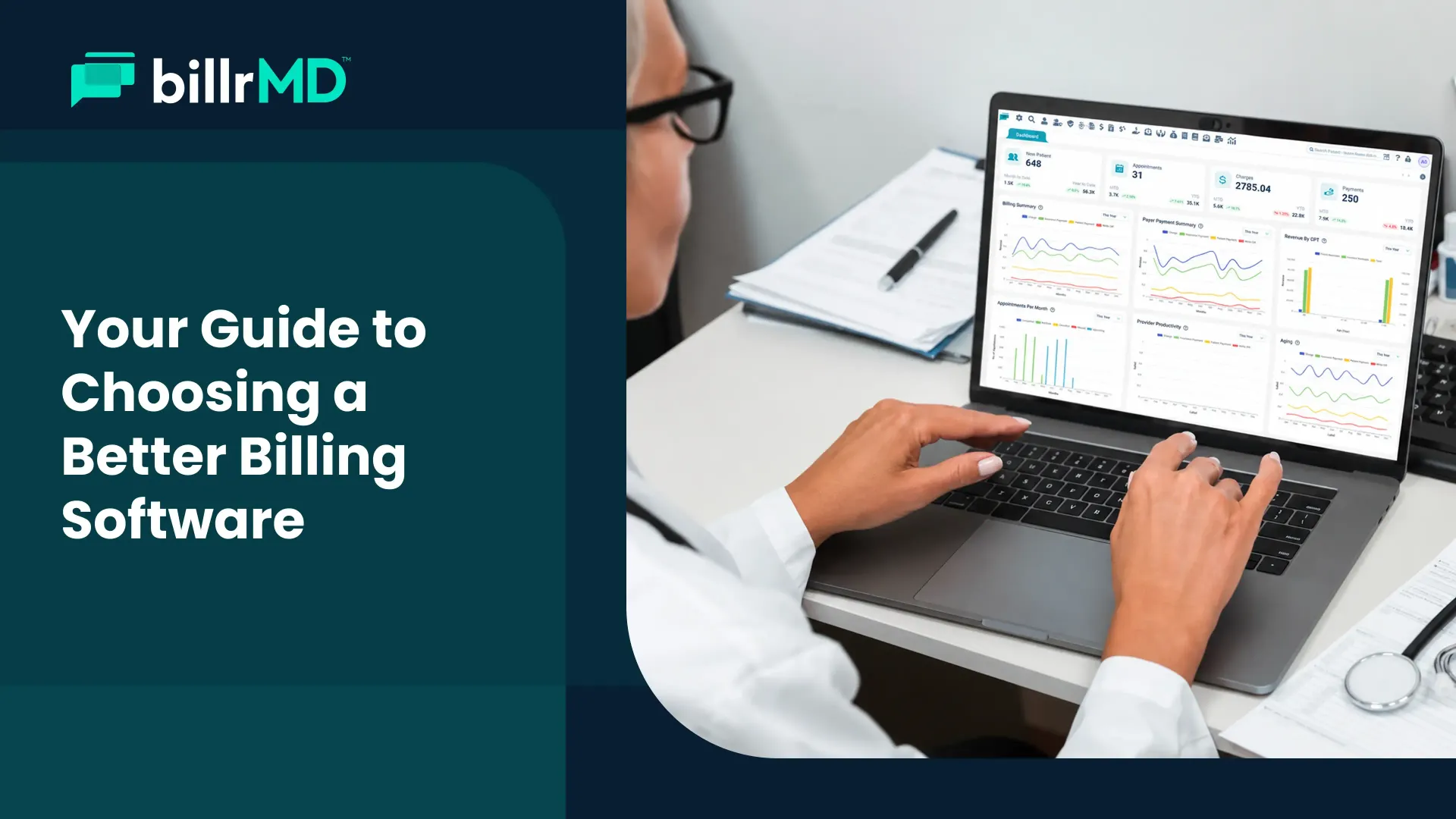
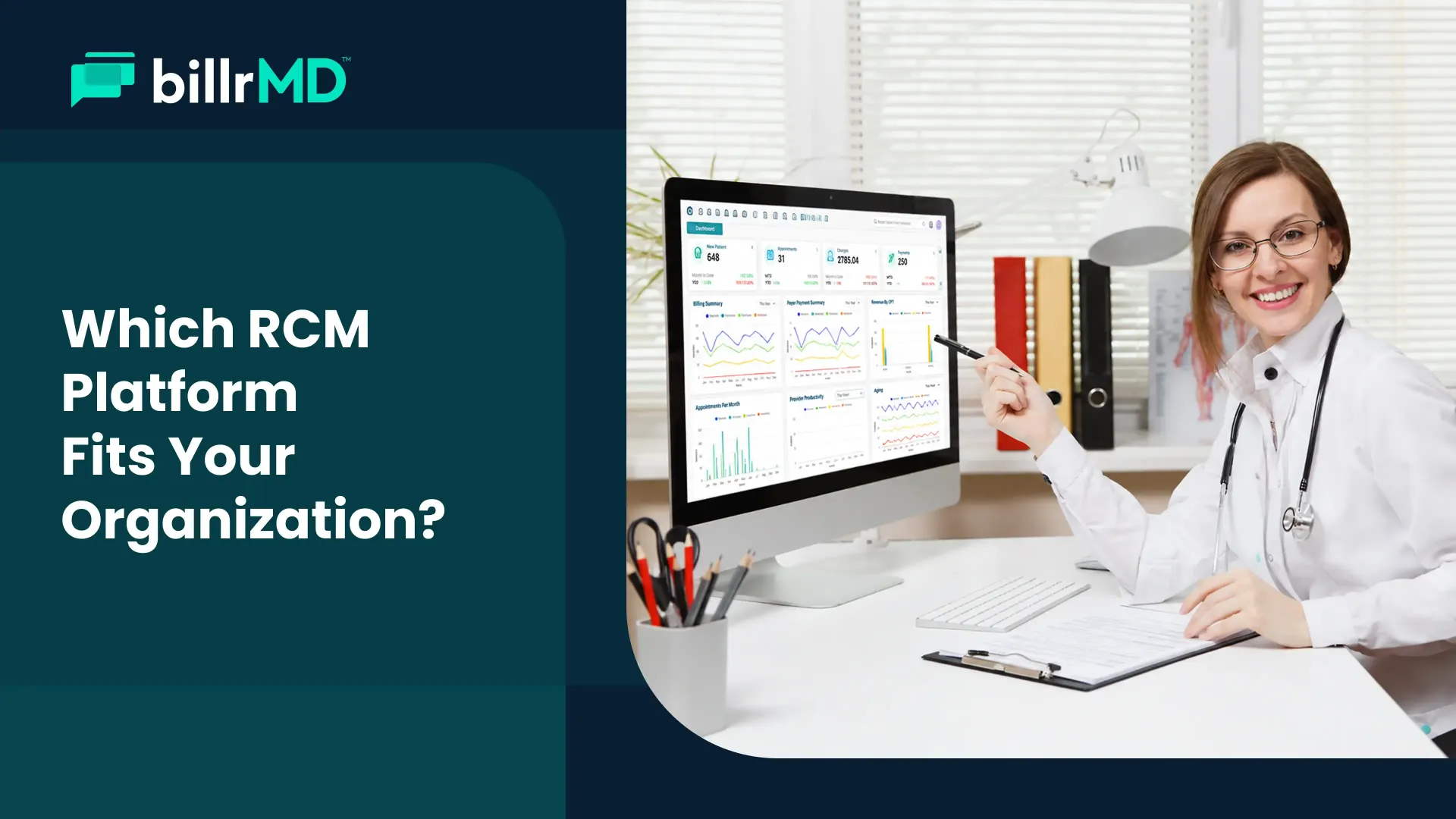
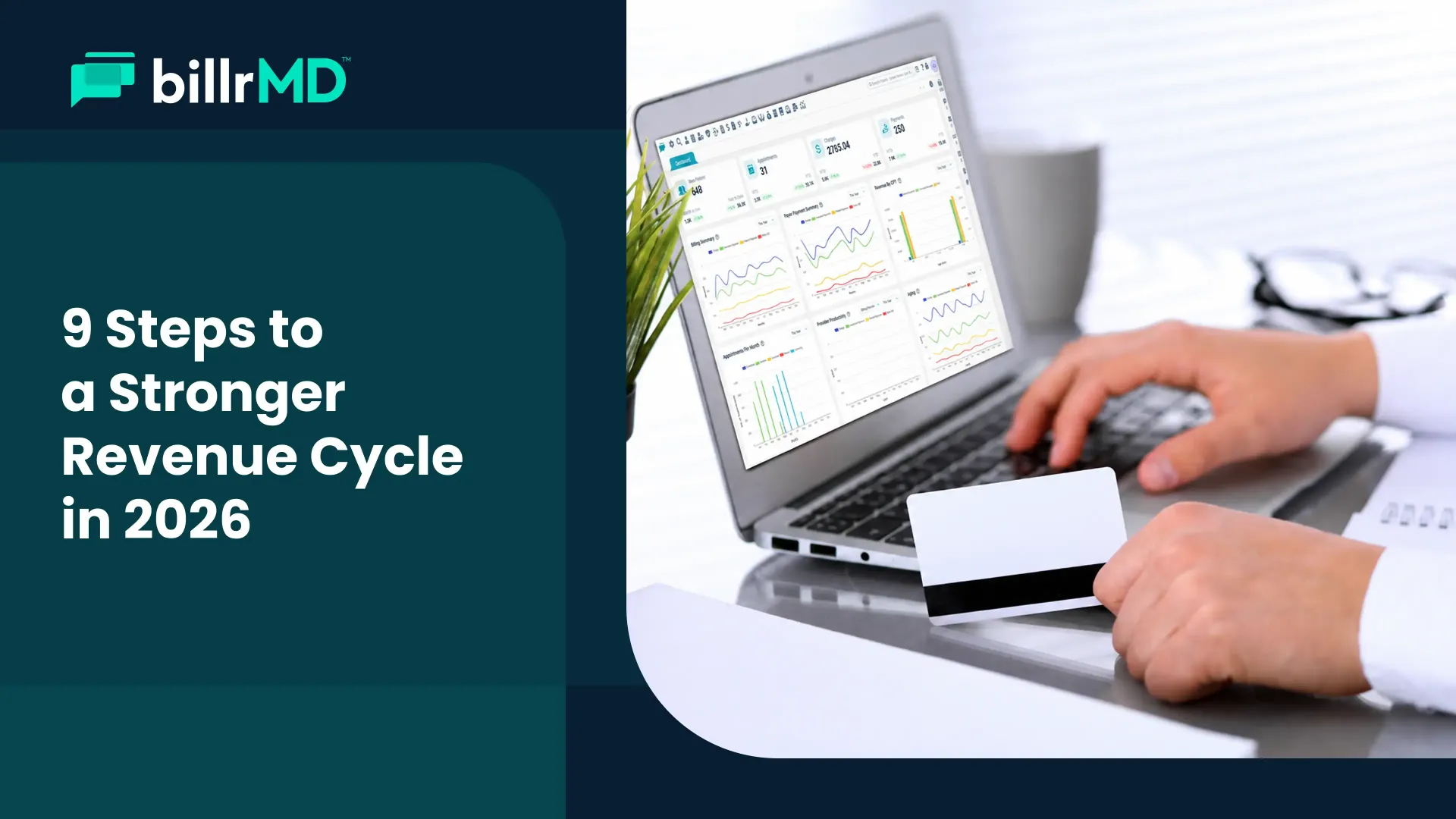
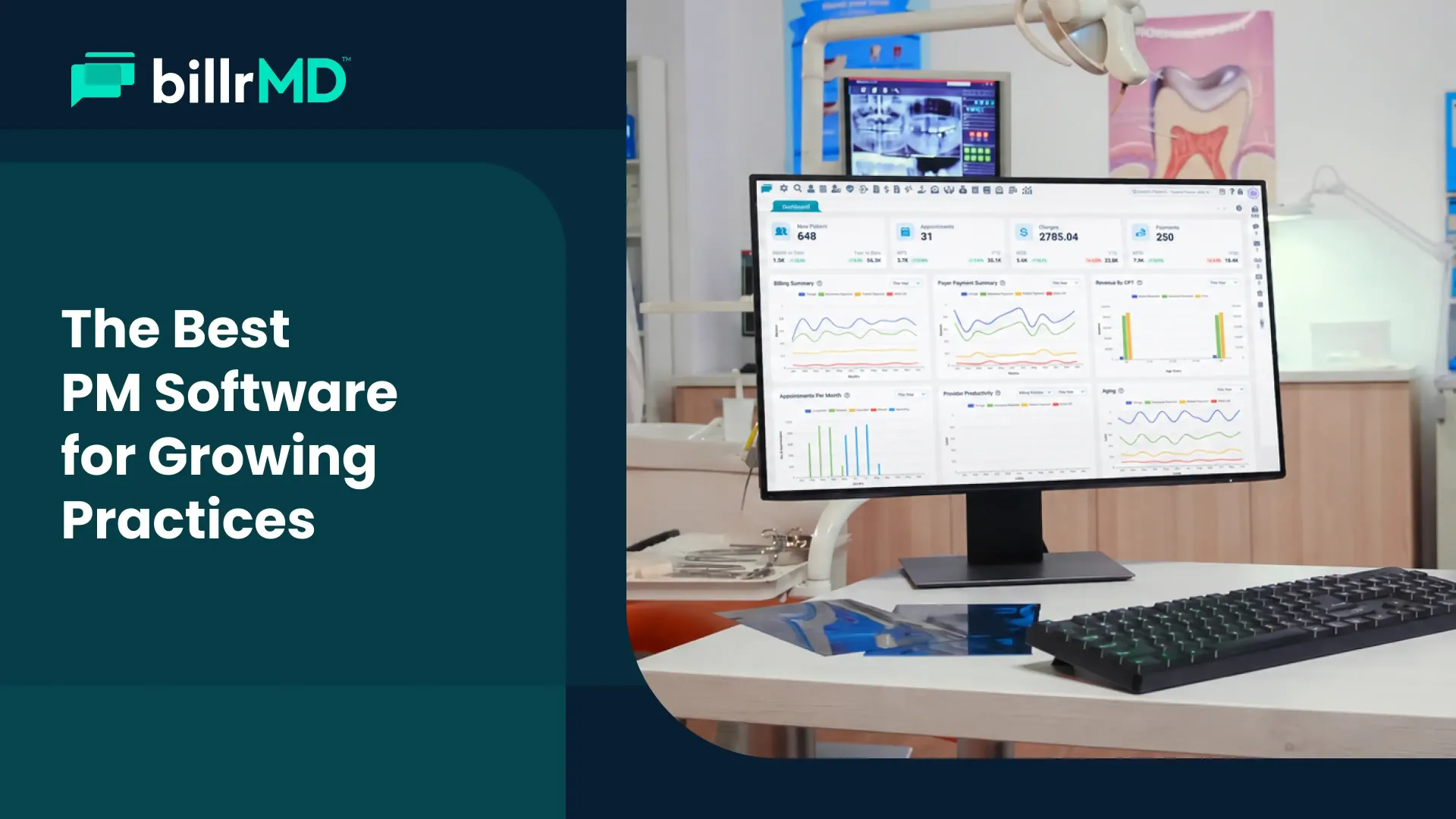
As a web-based, billing-centric software, billrMD offers the most comprehensive and well-rounded set of RCM tools to support every stage of your medical practice's billing process. From scheduling appointments and
sending reminders to verifying patient eligibility,
processing credit card payments,
creating and emailing invoices,
submitting claims, and all other areas of your billing workflow, billrMD has you covered.
Whether you're a
provider and medical staff member,
biller, or an
affiliated laboratory and diagnostic facility, billrMD's adaptable interface provides every user with an intuitive experience tailored to each specific role. As a highly scalable medical billing solution, billrMD empowers small and startup practices to accelerate their growth at the lowest possible cost.
You can
start with a free account, which doesn't require giving out your credit card details, and you're good to go. However, as your practice grows and your needs change, billrMD's
affordable packages allow you to unlock more premium features to take on new challenges head-on.
Recent Posts