The Importance of Billing Software & EHR Integration

Do you remember when you needed a telephone to make calls, a computer to send emails, a watch to tell time, and a camera to take photos? Now that all those capabilities are integrated into one device, you can perform them faster, easier, and at a more advanced level than ever before.
Electronic health records (EHR) and billing software have evolved in much the same way. Instead of clumsily transferring data between independent EHR and billing systems, modern practices can turn that process into one seamless experience through software integration. For healthcare professionals who embrace integration, this simplification can make difficult and annoying billing workflows much more manageable.
If you haven’t integrated your EHR and billing software yet, there’s never been a better time to upgrade. Here’s what your practice needs to know before making the merge.

What is EHR and Billing Software Integration?
Software integration is the process of combining separate software systems into one unified solution.
Simply put, integrated software systems can communicate, share data, and work together to achieve your goals.
Some benefits of software integration include:
- Faster data transfer
- Better communication between teams
- Fewer errors
- Increased productivity and efficiency
- Higher revenue
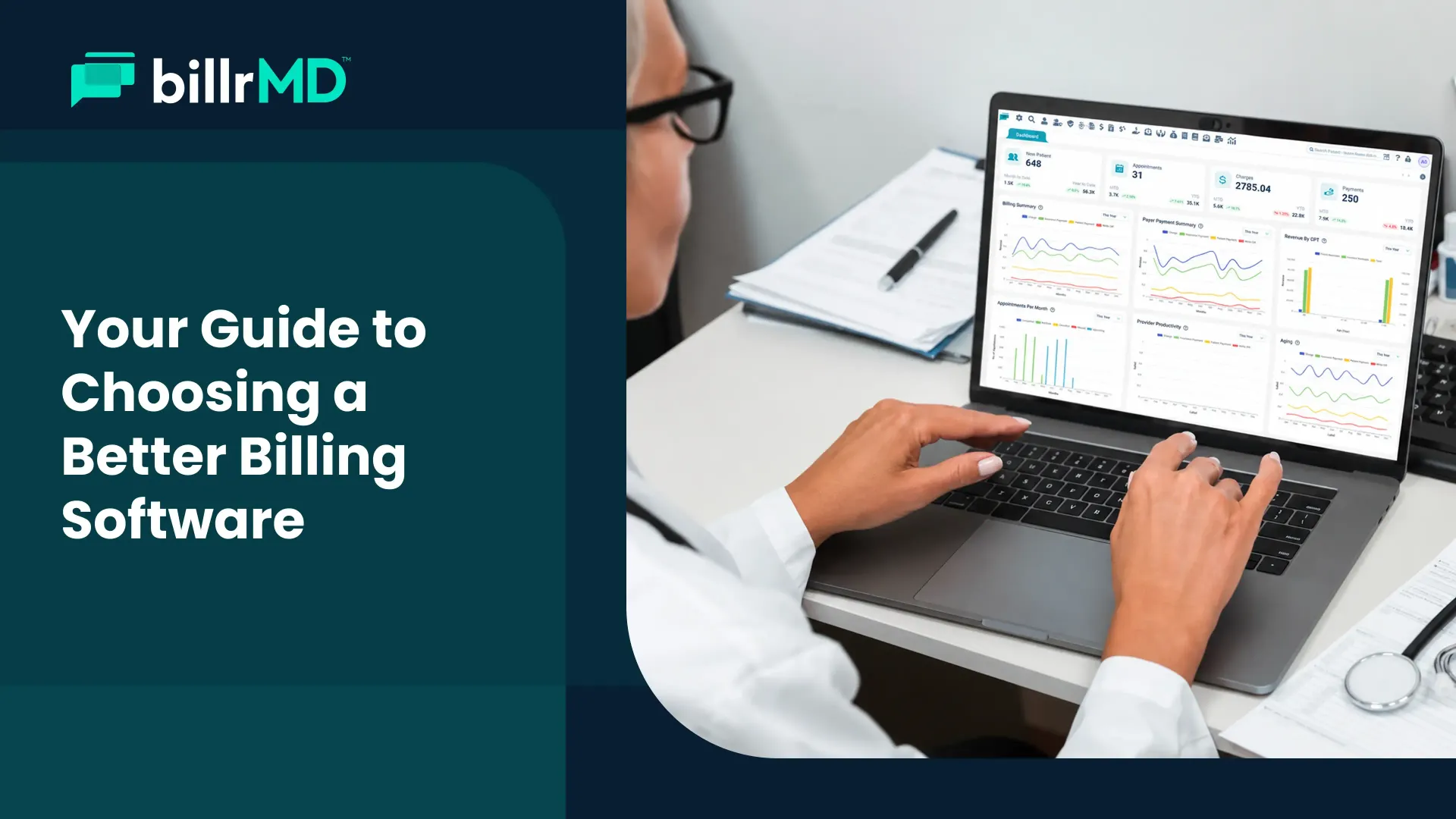
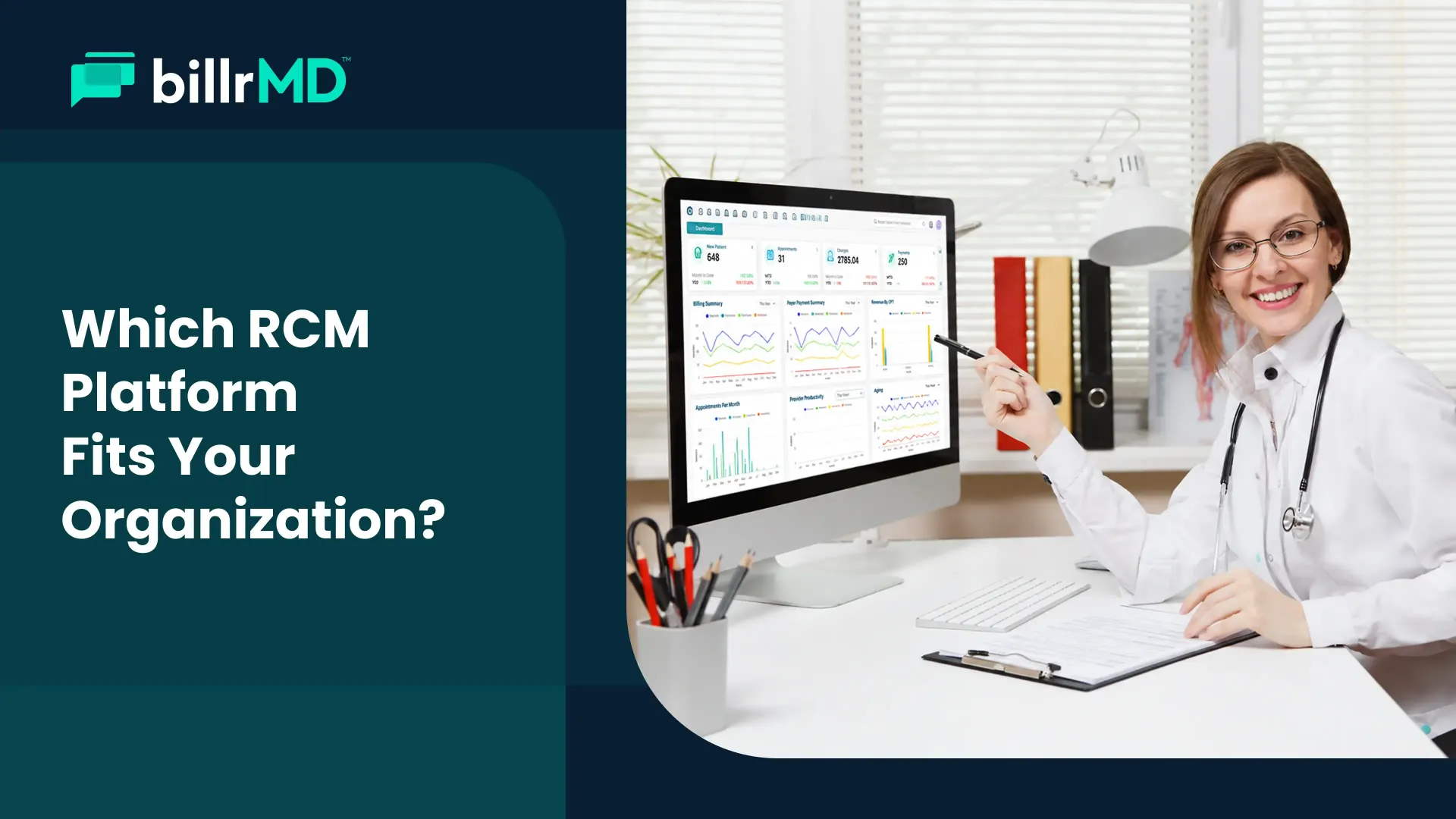
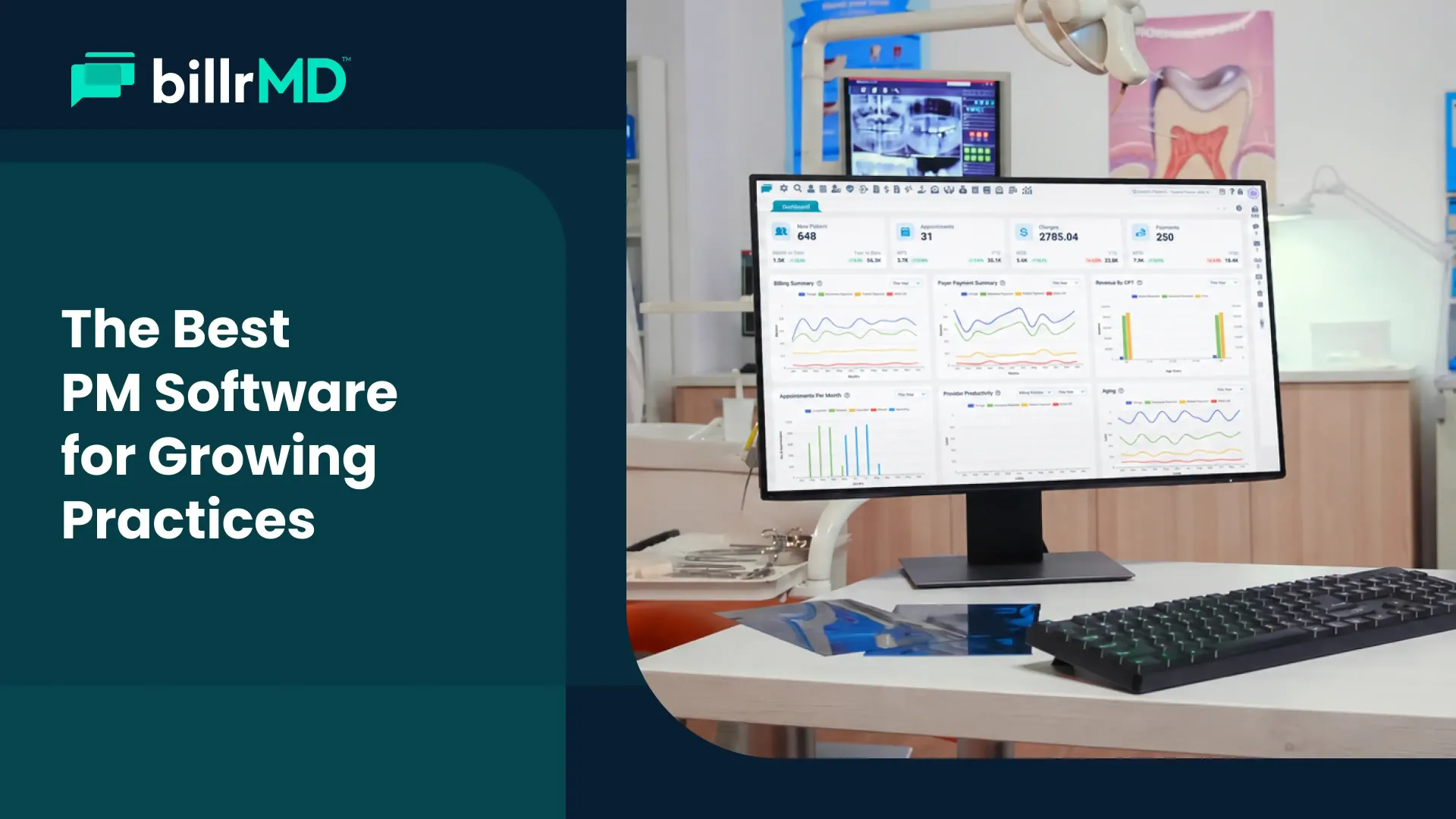
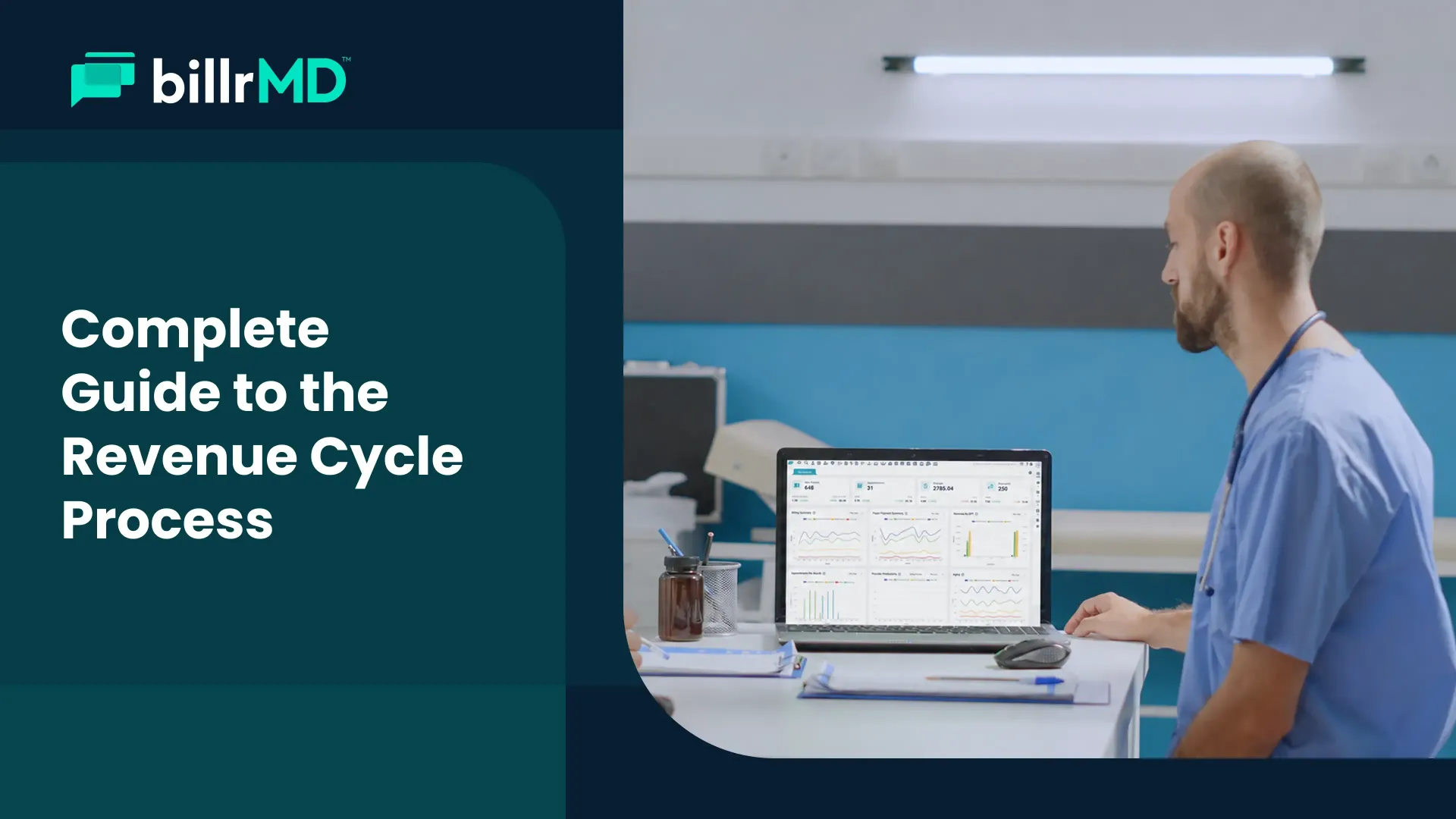
Integrating your EHR and billing software at your practice means bridging the gap between collecting, storing, and retrieving patient data with your medical billing and coding to create superior workflows.
What Are the Features of EHR and Billing Software Integration?
EHR and billing software integration offers powerful features that will save your practice time and money each day. These include:
Cloud Computing
Software as a service (SaaS) solutions take the power of custom, server-hosted applications and bring them online. That means you can access software more easily, from more locations, and integrate them with your existing infrastructure with fewer hassles.
Single Sign-On
If you’re like many growing practices, getting your day started can feel like a chore. After signing into your computer and your email, you’re bombarded with multiple log-ins before you can actually get to work. EHR and billing software integration makes this problem go away by allowing you to sign in to just one program before having access to all your critical software.
Bi-directional Data Synchronization
Bi-directional data synchronization facilitates instant data transfer between systems. That means updating data on one platform automatically updates data on the other. This high-speed information highway reduces errors and duplicate entries, saves time, and provides a massive boost to productivity and efficiency.
Select Functionality
While it would be nice to have all the latest and greatest features of a high-end, all-in-one EHR solution like Meditab’s Intelligent Medical Software (IMS), that isn’t always realistic for small practices. By integrating your billing and EHR software, it’s often possible to achieve similar results to what you would experience with more premium products. By bringing your most important tools together through collective data sharing, great integration is a cost-effective way to exponentially increase the effectiveness of the tools at your disposal.
Scalability
If you started at the bottom and are…still at the bottom, that’s okay! Choosing to integrate your EHR and billing software could offer the flexibility you need to grow your practice. That way, you get all the core tools you need to succeed now and can always add on or increase your software functionality as you expand.

billrMD and Practice Fusion: Software Integration Done Right
is arguably the greatest combination since peanut butter and chocolate. Combining everything providers love about billrMD’s fast billing workflows with Practice Fusion’s comprehensive electronic medical records, getting reliable and affordable tools to run your practice is one integration away.
Top features of billrMD and Practice Fusion integration include:
- Accounts Receivable
- Bill Tracking
- Claims Tracking
- To Be Billed
- Insurance Payment Tracking
- Patient Ledger
- Patient Collections
- And Practice Fusion Mode—an exclusive, custom user interface to simplify your workflows.
In addition to innovative capabilities and world-class integration,
billrMD
are backed by incredible support teams. No matter your specialty or size, the billrMD and Practice Fusion teams are standing by to help with implementation, training, data conversion, and more.
Start Billing Better With billrMD Now!

billrMD is the number one choice for small practices looking to cut costs and increase their effectiveness. If you’re ready to unlock your full potential with affordable yet powerful billing solutions, billrMD is for you.
Easy to implement and free to try; there’s no reason to wait. Try billrMD now—you won’t regret it!
Recent Posts